The History of Albion - Part 2




As promised, here is the second excerpt from Brian Bifford’s upcoming book, Albion: A Biography. Due to the overwhelming “interest” in the first publication, we’d like to state that any concerns about anti-Heroic bias should be sent to Mr. Bifford and not directed at the Friends of Albion Historical Society or The Fine Print Bookshop in Bowerstone. (The Fine Print Bookshop in Bowerstone: “Lose yourself in both book and shop.”)
The Old Kingdom
Following the defeat of the so-called “Court”, it’s clear that Albion celebrated. Quite hard.
One surprisingly risqué tapestry depicting the festivities, found in the ruins of Fort Oakguard, actually suggests that beer was invented during the party. Though it is admittedly hard to verify this fanciful claim as the weaving becomes less precise and more vomit-stained as it goes on.
But, once the hangovers faded, the newly liberated populace looked towards their future. To Heroes. William Black, intriguingly, vanishes from the historical record at this point (raising the tantalising possibility that he too was a later invention), but his compatriots, and those who followed them, were already using their Strength, Skill, and Will to reshape the land.

First came the founding of the twin cities of Bowerstone and Bloodstone, by their respective champions, the Hero of Bower and Hero of Blood. Two capitals for Albion: one in the South on the banks of the River Bower; one in the North, on Bloodland Bay. These great cities were then linked by new roads that daringly cut through the very heart of Deepwood. These roads represented the promise of a new Albion, whole and united.
(Bloodstone and Bowerstone fell out immediately, going on to fight three Blood and Bower Wars as part of a bitter rivalry that continues to this day.)
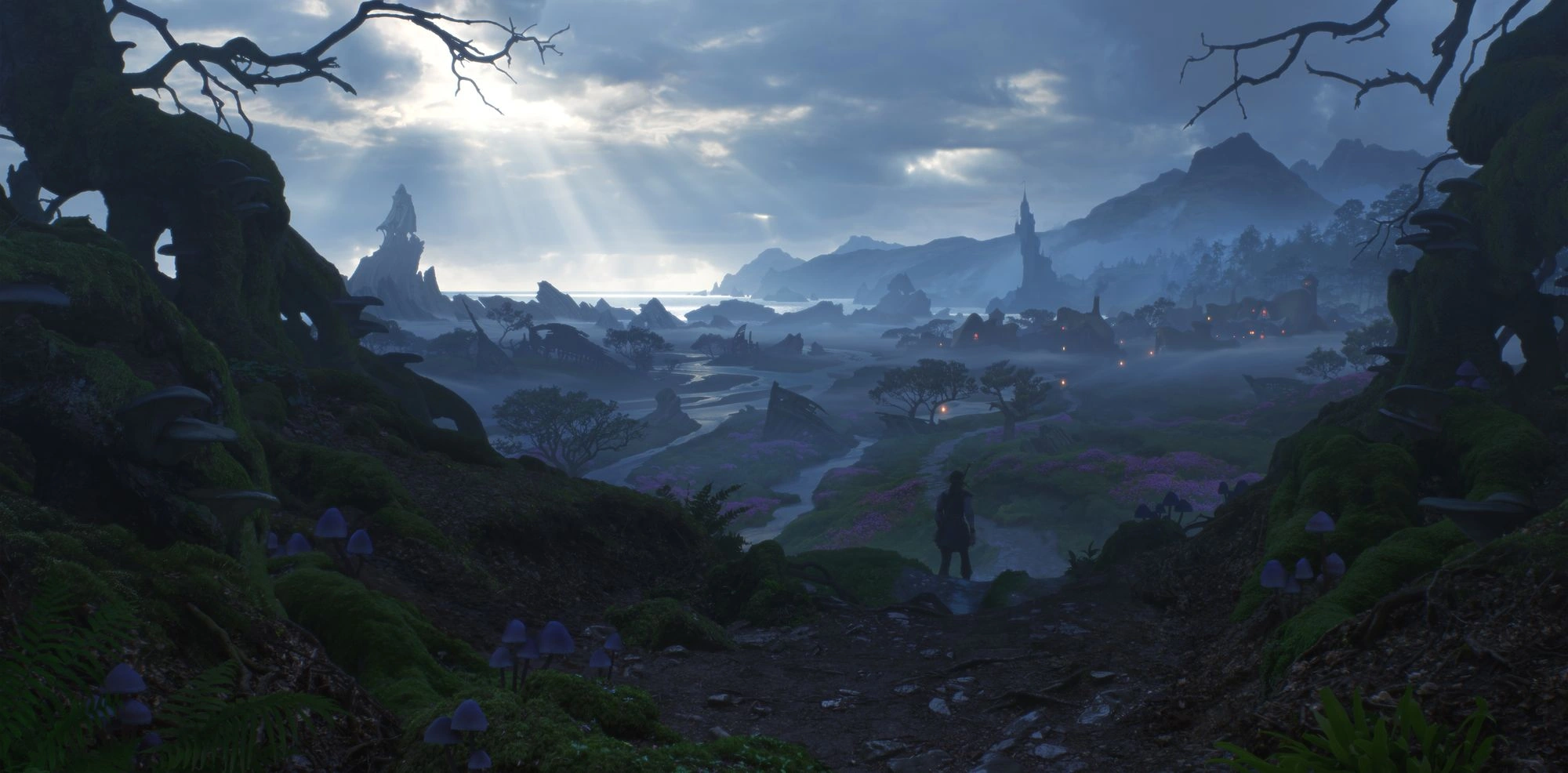
Elsewhere, great masterworks of magical engineering, such as the Sea Wall, Pyke’s Beacon, and Bloodstone Castle were raised by legendary Heroes like Iron Shannon. Iconic works of literature and art were created by bard Heroes, of which Edmund Silvertongue is the most renowned. And Heroes like the Maker performed strange enchantments and crafted ingenious inventions, giving voice and motion to inanimate things. Like doors. Doors were seemingly quite popular.
Those whose Heroism tended towards great feats of Strength and Skill went forth and hunted down the remnants of the Court’s rule, the monsters and minions the old rulers had left behind. The archer Alice Armstrong slew the great Beast of the South with a single shot before founding the village of Arrowmark. Samuel Blackbark, meanwhile, burned vast swathes of Deepwood, creating the county of Oakshire where once there was only an immense dark forest.

Though, as the people of what we now call Wraithmarsh will tell you, not everything the Old Heroes built was made to last.
Naturally, these Heroes expected a few things in return for their labours: namely obedience, admiration, and worship. Indeed, Heroes would go on to form an aristocratic ruling class in this new society, which we today call the “Old Kingdom”. And their rule was not always just. Some of these historical figures, such as Brian the Terrible, Henry Black-Iron, and the rather misleadingly named Diana of Blooms, are still remembered for their selfishness and cruelty today.
It is enough to make one wonder. Had the poor, downtrodden folk of Albion merely swapped one set of tyrants for another?

Keep up to date
More news








 Coming
23 February 2027